
10 Must‑Have Books Shaping Modern Web Design and Usability
Web design isn’t just about pretty pages—it’s about creating digital experiences that work. From timeless usability principles to cutting‑edge UX strategies, today’s bestselling web design books on Amazon prove that the craft is equal parts art and science. Whether you’re a beginner learning HTML and CSS, a UX pro refining user flows, or a creative chasing design inspiration, these titles deliver practical wisdom, proven frameworks, and fresh perspectives. Together, they form a toolkit that empowers designers to build websites that are not only visually striking but also intuitive, accessible, and conversion‑driven.
1. Don’t Make Me Think, Revisited
Steve Krug
The "bible" of web usability. Krug’s central premise is that a good website should be self-explanatory. It is an essential, quick read for anyone who wants to understand how users actually navigate the web (hint: they scan, they don't read).
Don’t Make Me Think, Revisited is a concise, witty, and practical guide to web usability that remains highly relevant even decades after its first release. The book’s central message—interfaces should be intuitive and effortless—makes it a must‑read for designers, developers, and anyone shaping digital experiences.
Focus: Web usability, intuitive navigation, mobile design updates
Why It Stands Out
- Core Principle: Don’t make users think. Interfaces should be self‑evident, reducing cognitive load and friction.
- Style: Short, humorous, and filled with illustrations—making complex usability concepts accessible.
Updates in Revisited Edition: Includes a new chapter on mobile usability, reflecting the shift to app‑first and mobile‑first design.
Who is the Book For: Not just web designers—marketers, product managers, and founders benefit from its lessons.
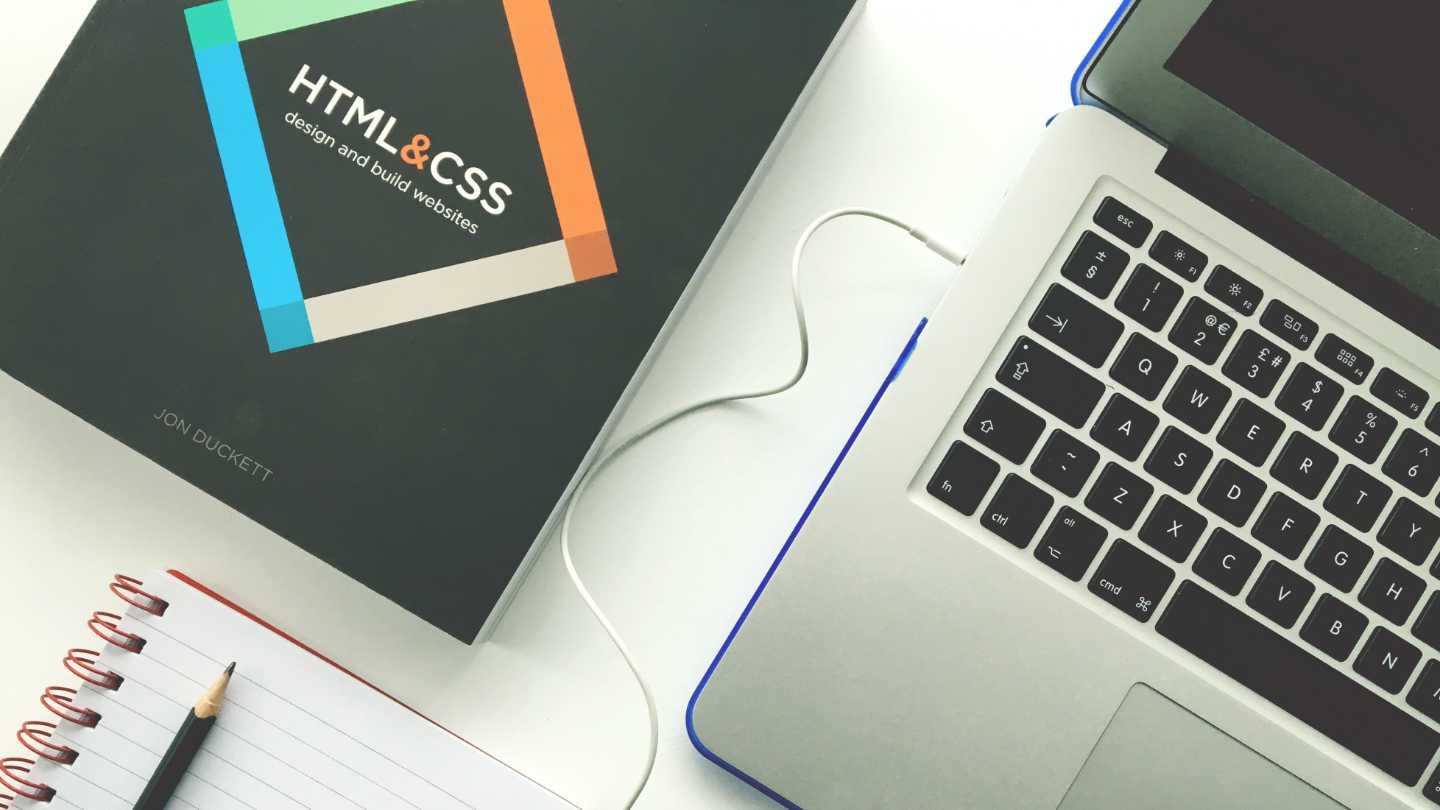
2. HTML and CSS: Design and Build Websites
Jon Duckett:
HTML and CSS: Design and Build Websites is one of the most popular beginner-friendly books on web design. First published in 2011, it introduces the fundamentals of building websites using HTML (structure) and CSS (styling) in a highly visual and easy-to-understand way.
Unlike traditional technical books, it uses full-color layouts, infographics, and real-world examples to simplify concepts that are often seen as difficult or dry
Who It’s Best For
- Beginners with no coding experience
- Designers wanting to understand web basic
- Bloggers, marketers, or entrepreneurs managing websites
- Anyone looking for a visual, non-intimidating introduction
This book is a fantastic starting point for learning web design. It won’t make you an expert on its own, but it gives you a strong, clear foundation in HTML and CSS—arguably one of the best first steps into web development.
3. Laws of UX: Using Psychology to Design Better Products & Services
Jon Yablonski
Laws of UX is a practical UX design book that bridges psychology and digital product design. It focuses on how people think, perceive, and behave—and shows how those insights can be used to create more intuitive, user-friendly experiences.
The core idea is simple: good design isn’t just about aesthetics—it’s about aligning with human psychology. When products match how the brain naturally works, they feel easier and more satisfying to use.
What the Book Covers
The book is structured around a collection of UX laws—principles derived from psychology and behavioral science. Each chapter focuses on one law, explains it, and shows how it applies to real-world design.
Key UX Laws Explained
- Jakob’s Law – Users expect familiar patterns (don’t reinvent common UI)
- Hick’s Law – Too many choices slow decision-making
- Fitts’s Law – The size and distance of elements affect usability
- Miller’s Law – People can only hold a limited amount of information in memory
- Postel’s Law – Be flexible in what users input, strict in output
These laws help designers predict user behavior and make smarter design decisions
Who It’s Best For
- UX/UI designers (beginner to intermediate)
- Product designers and developers
- Marketers or founders building digital products
- Anyone interested in human behavior + design
Laws of UX is a must-read foundation book that teaches you how to design with the human mind in mind. It won’t teach you everything about UX, but it gives you powerful mental models that improve every design decision you make.
4. Learning Web Design: A Beginner’s Guide
Jennifer Niederst Robbins
A comprehensive, step-by-step introduction to web design fundamentals. It starts from scratch (how the web works) and builds up to HTML, CSS, basic JavaScript, and responsive layouts—with exercises and quizzes to reinforce learning.
Who it’s for:
Perfect for complete beginners, students, or anyone switching into web design who wants a structured, hands-on foundation.
5. JavaScript and JQuery: Interactive Front-End Web Development
Jon Duckett
A highly visual guide to JavaScript basics and jQuery, focusing on how to make websites interactive. It explains programming concepts in a beginner-friendly, design-oriented way rather than dense technical jargon.
Who it’s for:
Ideal for designers, beginners, and non-programmers who want to understand JavaScript without feeling overwhelmed.
6. The Design of Everyday Things
Don Norman
A classic UX book that explains how good (and bad) design affects human behavior. It introduces concepts like usability, affordances, and user-centered design using everyday examples.
Who it’s for:
Best for UX designers, product designers, and anyone interested in human-centered design thinking—even non-designers.
7. Responsive Web Design
Ethan Marcotte
The book that introduced the concept of responsive design—building websites that adapt to different screen sizes using fluid grids, flexible images, and media queries.
Great for front-end developers and designers who already know basic HTML/CSS and want to build mobile-friendly websites.
8. The Principles of Beautiful Web Design
Jason Beaird & James George
Focuses on visual design principles like layout, color, typography, and composition, showing how to create aesthetically pleasing websites.
Best for beginners in web design who struggle with visual design, especially developers who want their sites to look more polished.
9. CSS in Depth
Keith J. Grant
A deep dive into modern CSS, covering layout systems (Flexbox, Grid), architecture, and scalable styling techniques. It goes beyond basics into real-world application.
Who it’s for:
Ideal for intermediate developers who already know CSS basics and want to master advanced, maintainable styling.
10. WordPress for Beginners 2026: A Visual Step-by-Step Guide to Mastering WordPress
Dr. Andy Williams
This book follows a visual, step-by-step approach to building a WordPress website from scratch—designed so you can learn by doing, not just reading. Like earlier editions in the series, it walks you through everything from choosing hosting and installing WordPress to using themes, plugins, and the dashboard effectively. Expect lots of screenshots, guided tasks, and practical actions that help you go from zero knowledge to launching a fully functional site.
It also covers key real-world essentials like creating pages vs posts, setting up navigation, basic SEO practices, and adding features like contact forms, backups, and social sharing—making it very practical for modern websites.
Who it’s for:
Best for complete beginners, bloggers, affiliate marketers, and small business owners who want a hands-on, no-code way to build a professional website quickly. It’s especially useful if you prefer learning visually with step-by-step guidance rather than theory-heavy explanations
The beauty of this top 10 list is its balance: foundational guides like Steve Krug’s Don’t Make Me Think sit alongside modern UX playbooks and technical deep dives. Each book offers a different lens—simplicity, psychology, storytelling, or code mastery—but all share one mission: helping you design websites that delight users and drive results. If you’re serious about web design, these bestsellers aren’t just books; they’re investments in your craft.


0 Comments